What Is a Phishing Attack?
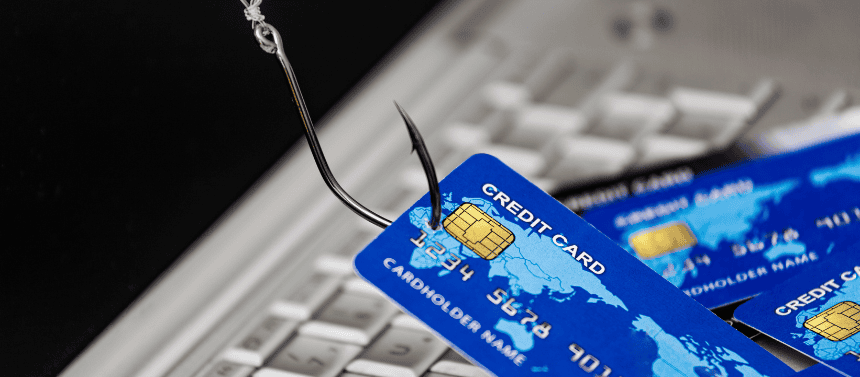
Phishing is one of the most common, and most dangerous, forms of cyberattack facing businesses today. It’s a type of social engineering attack where cybercriminals impersonate trusted sources, such as banks, coworkers, or well-known companies, to trick individuals into revealing sensitive information like passwords, credit card numbers, or company data.
Unlike more technical hacking methods, phishing relies on human psychology rather than software vulnerabilities. That’s what makes it so effective and so dangerous for organizations of every size.
Why Phishing Attacks Are on the Rise
Cybercriminals send billions of phishing emails every single day, and the tactics keep getting more sophisticated. Attackers now use:
- AI-generated content to craft more convincing, error-free messages
- Spoofed domains that closely mimic legitimate company websites
- Urgency and fear tactics to pressure victims into acting without thinking
- Targeted spear phishing aimed at specific employees, often executives or finance teams
A single successful phishing attempt can lead to data breaches, financial loss, reputational damage, and regulatory penalties, which is why employee awareness training has become a critical line of defense.
Common Types of Phishing Attacks
Understanding the different forms phishing can take helps your team stay alert. Common types include:
- Email Phishing – Mass emails designed to look like they’re from legitimate organizations.
- Spear Phishing – Highly targeted attacks aimed at a specific person or department.
- Whaling – Phishing attacks that target high-level executives.
- Smishing and Vishing – Phishing conducted via text message (smishing) or phone calls (vishing).
- Clone Phishing – A legitimate, previously delivered email is duplicated and altered to include malicious links or attachments.
Red Flags: How to Spot a Phishing Attempt
Training your team to recognize these warning signs can dramatically reduce your organization’s risk:
- Suspicious sender addresses that don’t quite match the official domain
- Urgent or threatening language pressuring immediate action
- Unexpected attachments or links, especially from unknown senders
- Requests for sensitive information, like login credentials or payment details
- Generic greetings instead of personalized messages
- Poor grammar or formatting inconsistencies (though AI has made this less reliable as a signal)
Best Practices to Protect Your Business
Reducing phishing risk requires a combination of technology and training:
- Conduct regular employee training so staff know how to identify and report suspicious messages
- Implement multi-factor authentication (MFA) to add a layer of protection even if credentials are compromised
- Use email filtering and anti-phishing software to catch threats before they reach the inbox
- Establish clear reporting procedures so employees know exactly what to do when they spot something suspicious
- Run simulated phishing tests to reinforce training and identify knowledge gaps
Why Cybersecurity Training Matters
Technology alone can’t stop every phishing attempt, your employees are your first and last line of defense. Investing in ongoing, hands-on cybersecurity training helps build a culture of vigilance, reducing the likelihood of costly mistakes and strengthening your organization’s overall security posture.
Protect Your Team with CORPTEK
At CORPTEK, we help businesses build stronger defenses against phishing and other cyber threats through practical, hands-on training programs tailored to your organization’s needs. Whether you’re looking to train your entire staff or strengthen specific departments, our team can help you build lasting cybersecurity awareness.
Ready to protect your business? Give CORPTEK a call today to discuss your needs: (423) 321-2781.